
Masterclass on Telemedicine for Health Professionals
Transforming healthcare through digital innovation
A practical, hands-on masterclass for healthcare professionals, policymakers, researchers and innovators.
Programme
Hover a name to see who is presenting.
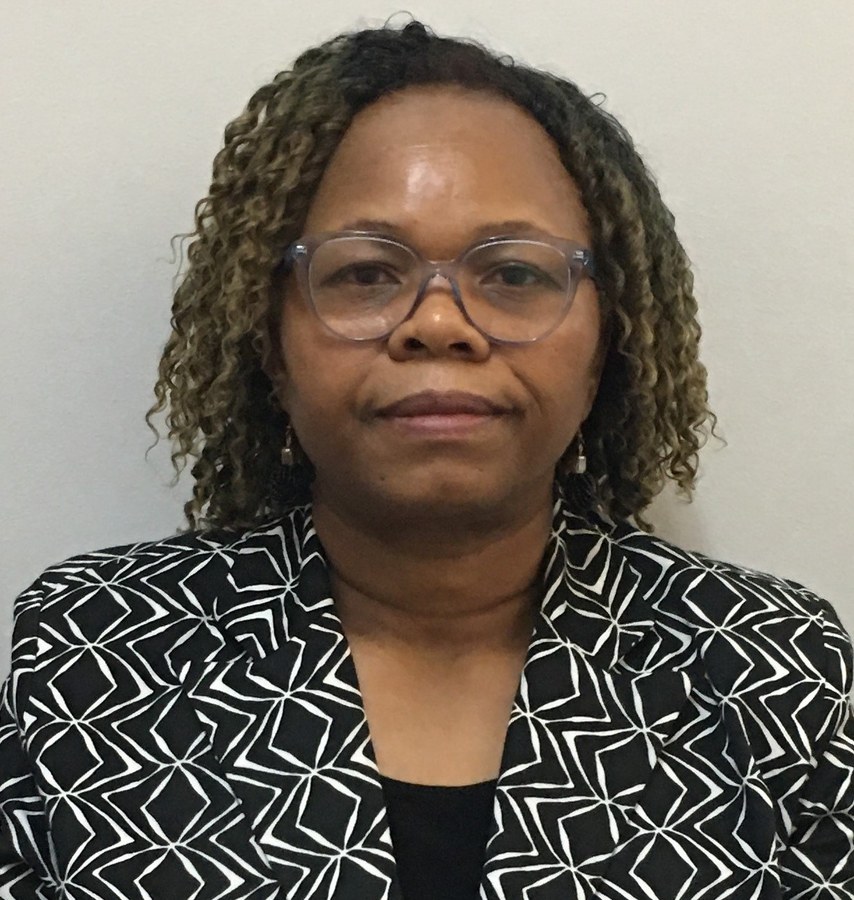 Dr Bessie Malila
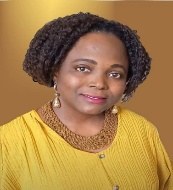 Prof. Omowunmi Mary Longe — Deputy Head of Department, University of Johannesburg
The speaker’s session description is being collected and will appear here. In the meantime, read their full profile.
Dr Bessie Malila — University of Johannesburg · University of Cape Town
The speaker’s session description is being collected and will appear here. In the meantime, read their full profile.
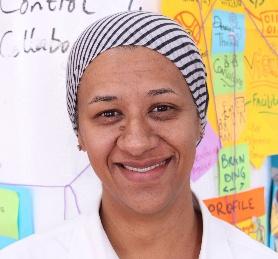 Dr Nailah Conrad · Dr Bessie Malila
The speaker’s session description is being collected and will appear here. In the meantime, read their full profile.
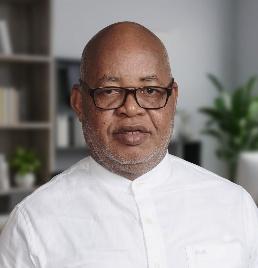 Prof. Davison Munodawafa — Midlands State University, Zimbabwe
The speaker’s session description is being collected and will appear here. In the meantime, read their full profile.
Dr Nailah Conrad · Prof. Davison Munodawafa
The speaker’s session description is being collected and will appear here. In the meantime, read their full profile.
 Mr Filmon Gebremichael
 Mr Prosper Magara
 Ms Bohlokwa Masimong
 Mr Tumelo Maseko
 Ms Maurine Chepkoek ·
  Mr Humphrey Otieno
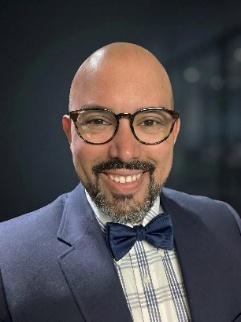 Dr José G. Pérez-Ramos — University of Rochester, New York, USA
The speaker’s session description is being collected and will appear here. In the meantime, read their full profile.
Dr Nailah Conrad · Dr José G. Pérez-Ramos
The speaker’s session description is being collected and will appear here. In the meantime, read their full profile.
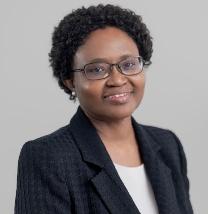 Dr Lindiwe Makubalo
The speaker’s session description is being collected and will appear here. In the meantime, read their full profile.
Dr Nailah Conrad · Dr Lindiwe Makubalo
The speaker’s session description is being collected and will appear here. In the meantime, read their full profile.
Dr Bessie Malila
The speaker’s session description is being collected and will appear here. In the meantime, read their full profile.
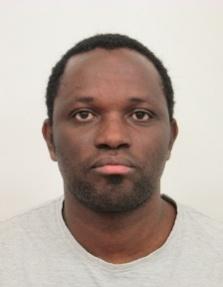 Dr Dodzi Motchon — University of Cape Town, South Africa
The speaker’s session description is being collected and will appear here. In the meantime, read their full profile.
What this day is
Telemedicine has moved from pilot to infrastructure — and with it the questions have shifted from “can it work?” to “how is it governed, funded, staffed and sustained?” This masterclass works through both halves: the clinical and technical foundations, and the operational and ethical realities of running a service — grounded throughout in the African context, where telemedicine has to answer to rural distance, constrained infrastructure and unequal access to care.
The day is built around practice rather than slides: five presentations, four facilitated group activities, five student research showcases and a 45-minute practical demonstration of a working telemedicine system, end to end. Through case studies, demonstrations and expert-led discussion, participants examine telemedicine models from diverse health systems and leave with a practical action plan for adoption in their own organisations and communities.
Learning objectives
What you should be able to do by 15:30.
Conduct a virtual consultation well
Apply the clinical principles of remote consultation — history-taking at a distance, remote patient monitoring, digital diagnostics and electronic health record integration — to your own practice.
Choose and judge the technology
Evaluate telemedicine platforms, EHR integration, connected diagnostic devices and wearables against the infrastructure you actually have, not the one a vendor assumes.
Work inside the rules
Navigate data privacy, cybersecurity, patient confidentiality, licensing, medical ethics, reimbursement and quality assurance as they apply to virtual care.
Adapt what already works
Take implementation case studies from other health systems and adapt them to reach rural and marginalised populations, leaving with a written action plan.
Read the direction of travel
Assess where artificial intelligence and emerging digital health technology fit in diagnostics, remote care and health-system resilience during public health emergencies.
Why attend — key topics
Seven threads run through the day, each anchored to a session.
Clinical best practice
Conducting effective virtual patient consultations, backed by remote patient monitoring, digital diagnostics and electronic health record integration.
Dr Bessie Malila · Introduction to TelemedicineTelemedicine in African health systems
Where telemedicine already works on the continent, and how it strengthens community engagement, continuity of care and non-communicable disease management.
Prof. Davison Munodawafa · Telemedicine TodayTech setup and tools
Choosing the right telemedicine platform and EHR integration, plus connected diagnostic devices, wearables and the infrastructure that has to carry them.
Legal and regulatory compliance
Data privacy, cybersecurity, patient confidentiality, legal frameworks, licensing, medical ethics, reimbursement models and quality assurance.
Dr Nailah Conrad & Dr Lindiwe Makubalo · Ethics, AI and technologyImplementation and best practice
Case studies from diverse health systems and how to adapt them, reaching rural and marginalised populations — you leave with a practical action plan.
Dr José G. Pérez-Ramos · Implementation and Best PracticesFuture trends
AI in diagnostics and remote patient care, health-system resilience during public health emergencies, and the policy direction of telemedicine across Africa.
Dr Lindiwe Makubalo · The Future of TelemedicineLive demonstrations
State-of-the-art telemedicine research shown end to end by postgraduate students — rural virtual clinics, surgical telementoring, screening tools and 5G-enabled infrastructure.
Dr Dodzi Motchon · Practical DemonstrationsSpeakers and facilitators
Engineering, community medicine, social epidemiology, health diplomacy and design thinking — and between them WHO, APHA and five national health systems. Each name opens a full profile.
 Prof. Omowunmi Mary Longe
Department of Electrical and Electronic Engineering Science, University of Johannesburg
Keynote address
- PhD, Electrical & Electronic Engineering
- Deputy Head of Department, UJ
- Chair, Smart Power & Energy Systems Research Group
- Senior Member, IEEE
- Two patents
- Session
- 09:00 - 09:10
- Based in
 South Africa
Dr Bessie Malila
University of Johannesburg · University of Cape Town
Introduction to Telemedicine
- PhD, Telecommunications Engineering
- Senior Lecturer, UJ
- Adjunct Lecturer, Biomedical Engineering, UCT
- Leads the Telemedicine & Connected Care group
- Convenor of this masterclass
- Session
- 09:10 - 09:30
- Based in
- South Africa
 Prof. Davison Munodawafa
Midlands State University · Visiting Professor of Global Health, School of Public Health, Thammasat University, Thailand
Telemedicine today
- EdD, Health Promotion & Education
- Professor of Community Medicine
- Visiting Professor, Thammasat University
- Partnership Coordinator, MSU & UNICEF
- Africa Representative, World NCD Federation
- Session
- 09:50 - 10:10
- Based in
 Zimbabwe
 Dr José G. Pérez-Ramos
University of Rochester Medical Center
Telemedicine implementation and best practices
- PhD, MPH
- Social epidemiologist & implementation scientist
- PI, Participatory Research for Health Equity & Access Lab
- Vice President, Latino Caucus, APHA
- Faculty Senator, University of Rochester
- Session
- 12:40 - 13:00
- Based in
 United States of America
Dr Lindiwe Makubalo
Health Innovations and Digital Solutions SA (HIDS)
The future of telemedicine
- PhD, Community Medicine, LSHTM
- Former Assistant Regional Director, WHO AFRO
- Former Director, Health Policy & Systems Research, WHO
- Former SA Health Diplomat to the United Nations
- Established the WHO Regional Health Data Hub
- Session
- 13:20 - 13:40
- Based in
 South Africa · Geneva, Switzerland
 Dr Nailah Conrad
Independent consultant · University of Cape Town
Facilitating the four group activities
- PhD, Medical Biochemistry, UCT
- Programme Lead, UCT Hasso Plattner School of Design Thinking
- Convenor, MPhil in Health Innovation, UCT
- Certified LEGO® SERIOUS PLAY® facilitator
- Session
- Throughout the day
- Based in
- South Africa
Dr Dodzi Motchon
University of Cape Town
Practical demonstrations
- PhD, Biomedical Engineering, UCT
- Postdoctoral Fellow, Division of Biomedical Engineering
- Telemedicine & Connected Care Research Group
- Session
- 14:30 - 15:15
- Based in
- South Africa
Who should attend
Pitched at practitioners and decision-makers, not engineers. No technical background is assumed.
After the masterclass
The masterclass has taken place. Registration is closed.
Evaluation form
If you attended, the participant evaluation form is open. It takes about five minutes and every question is optional.
Enquiries
Any question about the masterclass, the materials or a future one.
Congress listing
The masterclass was listed by the congress under pre- and post-congress events.
Frequently asked questions
Was there a cost to attend?
Do I need a technical background?
Was the masterclass online or in person?
Do I get a certificate?
Were meals provided?
How do I get in touch?
Partners and supporters
Left to right: University of Johannesburg · UJ Faculty of Engineering and the Built Environment · University of Cape Town · Telemedicine and Connected Care Lab · Midlands State University



Left to right: University of Rochester · African Union · 18th World Congress on Public Health · The African Academy of Sciences · European Union · Carnegie Corporation of New York